Guides
Castilla-La Mancha Wine: A Cyclist's Guide
Discover Castilla-La Mancha wine regions by bicycle: Valdepeñas, La Mancha, Ribera del Júcar, indigenous grapes, and unhurried cellar visits.
Cadencia team · · 5 min read
Castilla-La Mancha wine represents the beating agricultural heart of Spain, accounting for nearly half of the nation's vineyard area across high, sun-drenched plains and limestone valleys. Exploring these appellations by bicycle lets international travellers experience family-run cellars, indigenous grapes, and uncrowded country roads far removed from commercialised wine-tour circuits.
Why Castilla-La Mancha is Europe's quiet vineyard heartland
Elevation is the secret behind the freshness of wines grown across central Spain. Most vineyards here sit between 600 and 900 metres above sea level, where blazing afternoon sunshine is balanced by crisp night air rolling off surrounding sierras. Low rainfall keeps disease pressure minimal, which explains why Castilla-La Mancha leads Spain in organic viticulture. Riding through these fields in spring or autumn, you see gnarled old bush vines spaced generously across reddish clay and chalky limestone soils rather than tightly crowded industrial slopes.
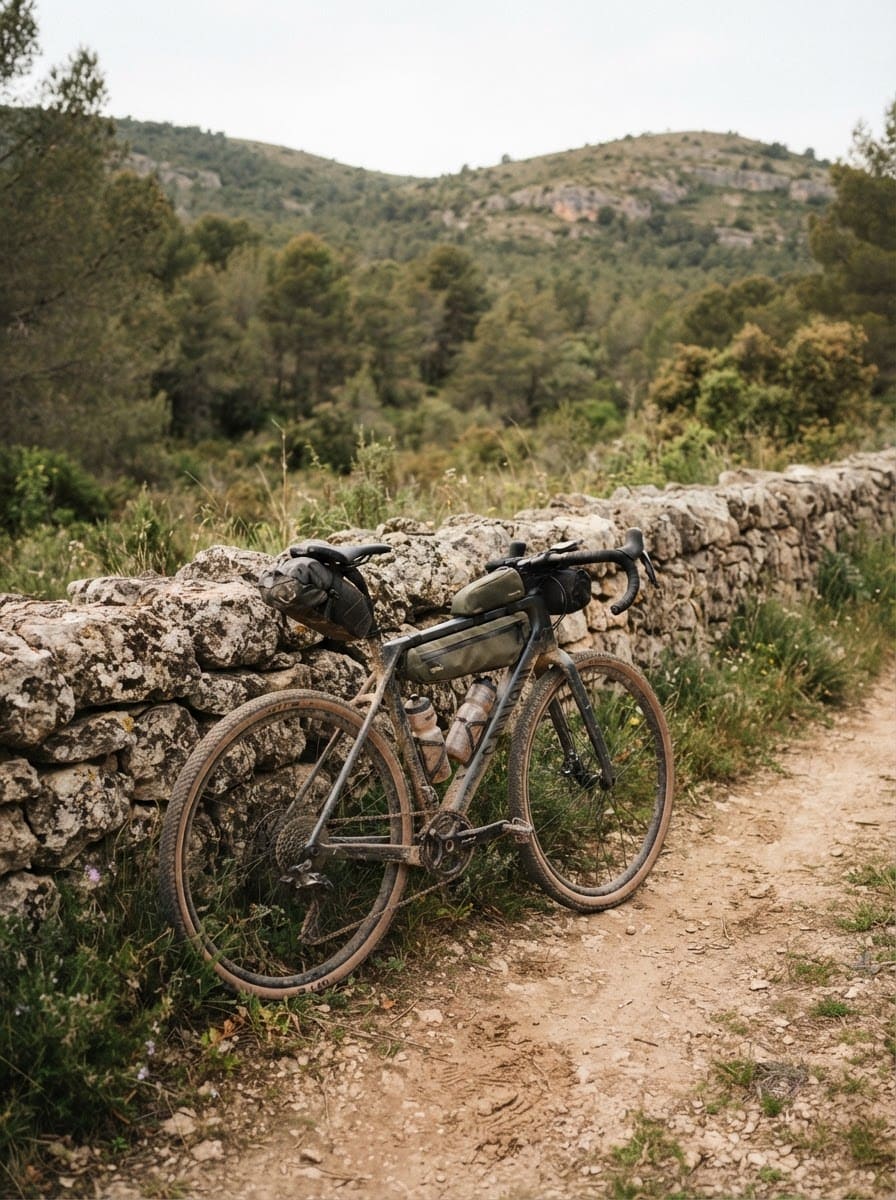
Moving at 18 to 25 kilometres per hour connects you directly with the terroir. You smell warm thyme along track edges, watch harvesters sorting grapes by hand in September, and feel the subtle shifts in wind and soil colour as one wine valley gives way to the next.
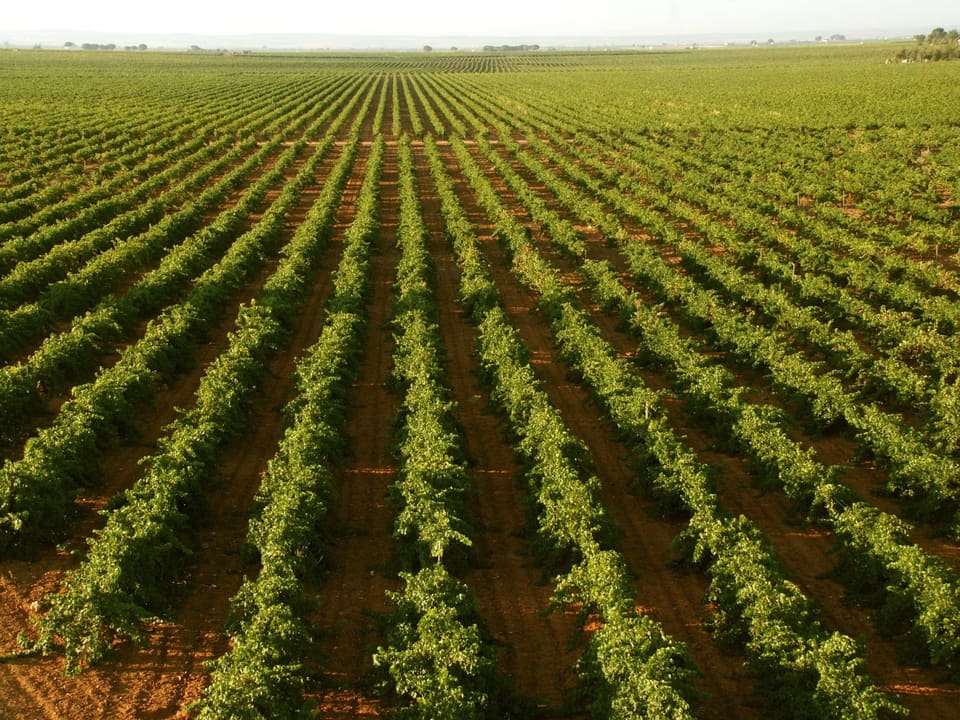
Key wine appellations and grape varieties along the roads
Castilla-La Mancha encompasses nine Designations of Origin alongside prestigious single-estate Vino de Pago classifications. Cyclists travelling across the region encounter several distinct wine identities within a single week of riding.
| Wine appellation | Core territory | Signature grapes | Cycling character |
|---|---|---|---|
| DO Valdepeñas | Southern Ciudad Real | Cencibel (Tempranillo), Airén | Wide red-earth plains, gentle rollers, classic historic wineries |
| DO La Mancha | Central plateau across four provinces | Airén, Cencibel, Garnacha | Open horizons, windmill ridges, fast gravel and quiet tarmac |
| DO Ribera del Júcar | Southern Cuenca along the Júcar | Bobal, Tempranillo, Moscatel | River valleys, pebble terraces, rolling country lanes |
| DO Manchuela | Albacete and eastern Cuenca | Bobal, Albilla | High plateaus dropping dramatically into limestone river gorges |
| DO Uclés & Mondéjar | Western Cuenca and Guadalajara | Tempranillo, Verdejo, Cabernet | Foothills of La Alcarria, olive groves, punchy short climbs |
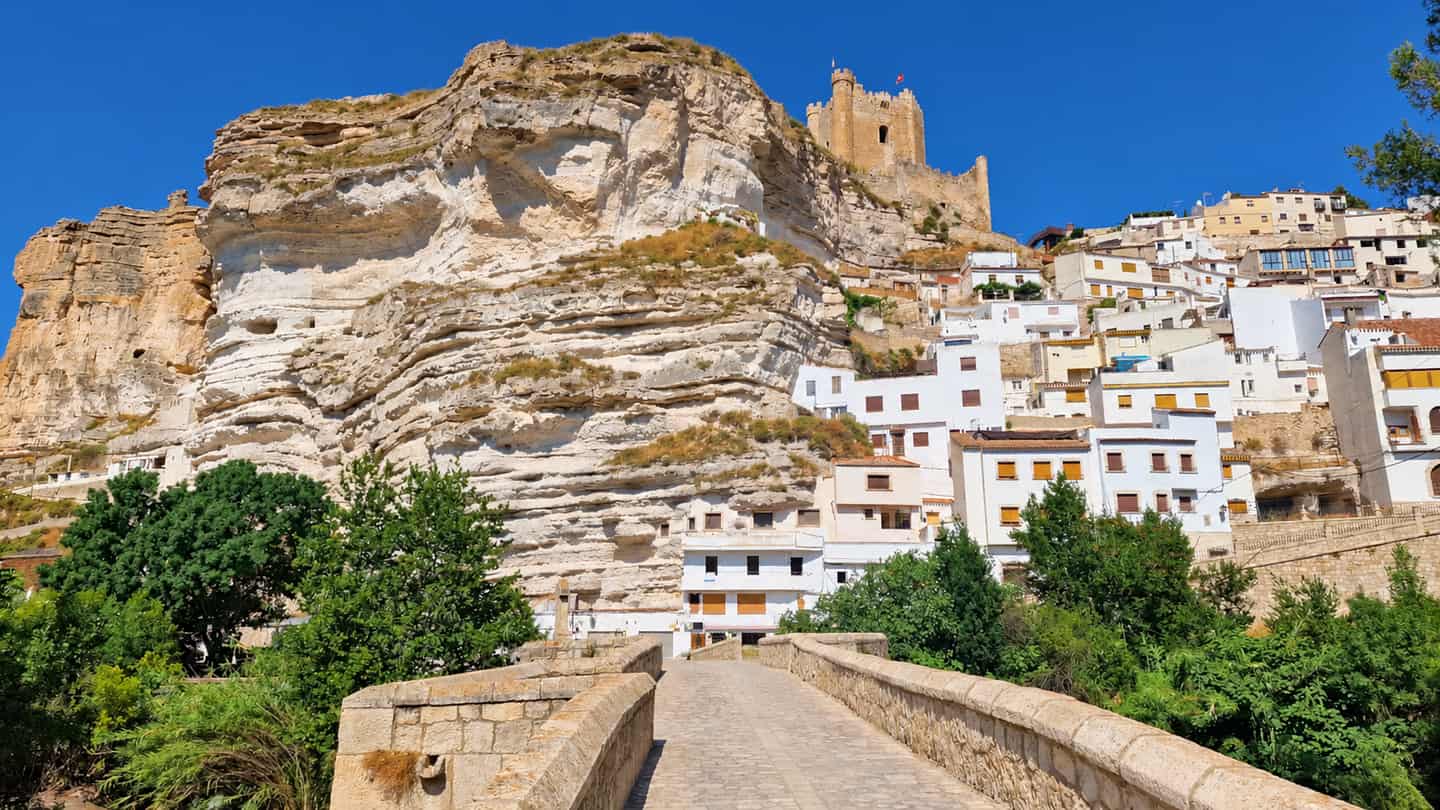
Tempranillo, known locally as Cencibel, anchors the region's structured reds, offering ripe dark berries, subtle spice, and remarkable ageing potential when harvested from low-yielding old vines. Along the eastern canyons near Alcalá del Júcar, native Bobal delivers lively acidity and deep purple colour that pairs effortlessly with mountain fare.
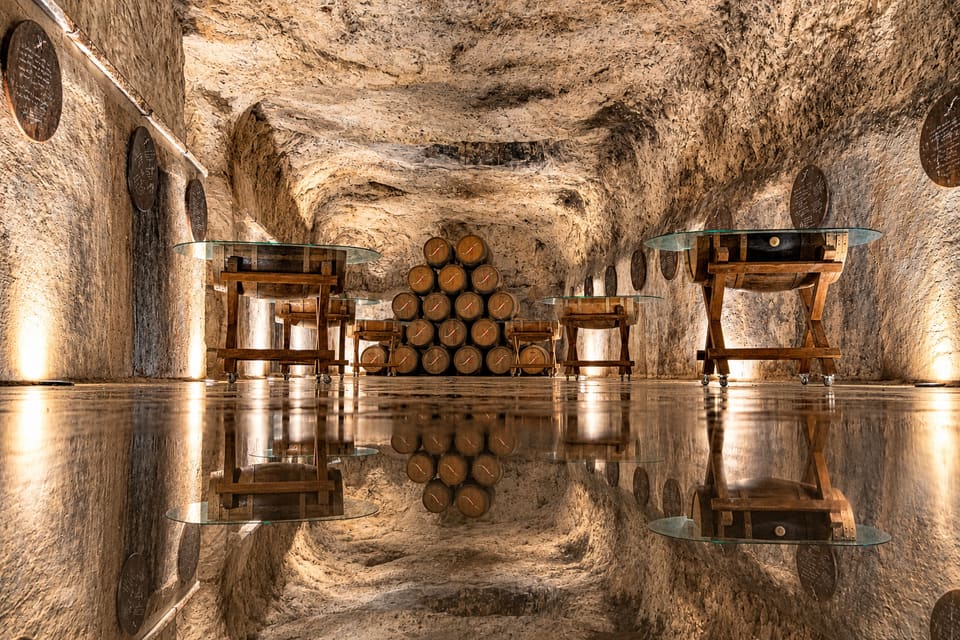
Inside the historic cellars and earthen tinajas
Long before stainless steel arrived in modern winemaking, La Mancha growers fermented and matured wine inside monumental clay amphorae known as tinajas. Standing taller than a cyclist and fired in local kilns, these earthen vessels allowed gentle micro-oxygenation without imparting heavy oak flavours. Across Valdepeñas, Campo de Calatrava, and eastern Albacete, historic family wineries still preserve subterranean galleries excavated directly into limestone bedrock. Descending stone steps after a morning ride feels like stepping into another century: the air cools immediately, oak barrels rest in silent rows, and winemakers pour small-batch bottlings rarely exported abroad.
Modern producers across Castilla-La Mancha are reviving tinaja ageing alongside organic single-vineyard bottlings. Tasting these wines straight from the cellar, guided by the families who farm the plots you just pedalled past, creates a sense of place no city wine bar can replicate.
Pairing wine country with gravel, road, and e-bike stages
Integrating wine culture into a cycling trip requires thoughtful pacing rather than cramming tastings into hurried afternoons. Cadencia Travel Experience structures stages so mornings belong to the bike and late afternoons open onto unhurried cellar visits and dinner.
- Valdepeñas to Alcalá del Júcar: our private Valdepeñas to Alcalá del Júcar journey spans 377 kilometres and 6,590 metres of climbing, linking classic Valdepeñas vineyards with the Lagunas de Ruidera, Río Mundo, and the rock-cut cellars of the Júcar gorge.
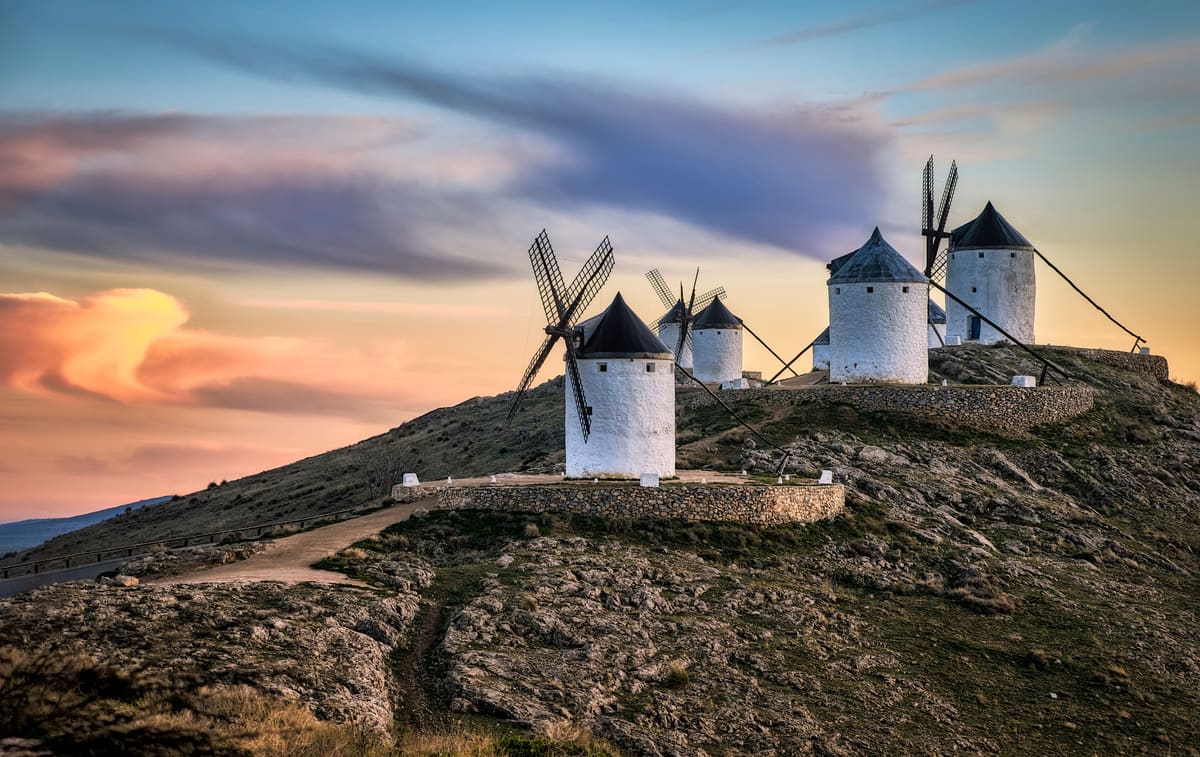
- In the Footsteps of Don Quixote: our scheduled Don Quixote journey covers 365 kilometres and 2,120 metres across six stages from Toledo to Almagro, passing endless La Mancha vines, Consuegra's windmills, and historic market towns.
- E-bike accessibility: riders who want to savour every vineyard climb and arrive refreshed for evening tastings frequently choose e-bike tours in Spain, keeping mixed-ability couples and groups riding together comfortably.
Support vehicles handle luggage transfers and safely store any bottles you choose to bring back to your hotel, eliminating any need to carry weight on the bike.
Local gastronomy at the end of a vineyard stage
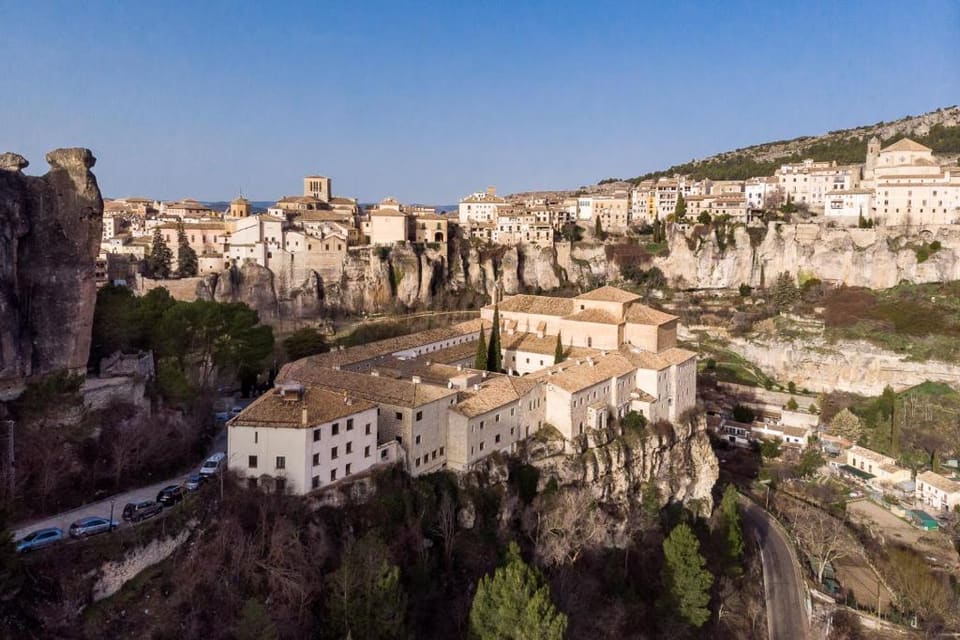
Castilla-La Mancha's kitchen evolved to nourish shepherds, farmers, and travellers crossing vast distances, making its flavours naturally suited to hungry cyclists. Every dish relies on honest seasonal ingredients grown within sight of the road: artisan Manchego cheese cured in raw sheep's milk, golden saffron threads, wild mushrooms in autumn, and fragrant extra-virgin olive oil. Traditional specialities such as pisto manchego, slow-braised venison, roasted lamb, and hearty migas share tables with contemporary culinary voices that reinterpret regional memory with lightness and precision. In northern itineraries around Cuenca, riders even cap a mountain crossing with Michelin-starred dining by chef Jesús Segura inside the iconic Casas Colgadas.
Ending a day of riding around a stone-walled table with a glass of old-vine Cencibel or fresh Manchuela Bobal captures the essence of our curated cycling journeys. To design a private wine-and-cycling itinerary tailored to your palate and pace, write to our team via the contact page.
Frequently asked questions
What grape varieties is Castilla-La Mancha best known for?
Castilla-La Mancha is renowned for Cencibel, the regional name for Tempranillo, alongside crisp white Airén and expressive eastern Bobal. High-altitude old vines and organic farming practices give modern bottlings far greater freshness and depth than the region's historic bulk-wine reputation suggests.
When is the wine harvest in Castilla-La Mancha?
Grape harvest across Valdepeñas, La Mancha, and Manchuela typically begins in late August for early white varieties and runs through September into early October for mountain reds. Riding in September and October lets cyclists witness harvest activity firsthand while enjoying comfortable autumn temperatures.
Can I visit wineries during a guided cycling tour without carrying bottles?
Every Cadencia Travel Experience itinerary includes a dedicated support vehicle that carries personal luggage between accommodations and safely transports any regional wines or Manchego cheeses you purchase during cellar stops. Riders pedal light all day and find their acquisitions waiting at the evening hotel.
Which Cadencia cycling route is best for wine lovers?
The private Valdepeñas to Alcalá del Júcar journey offers the richest viticultural sweep, moving from DO Valdepeñas across central plains to the canyon cellars of Albacete over 377 kilometres. Riders seeking gentler elevation gain can also explore La Mancha wine country on the six-stage scheduled Don Quixote journey from Toledo to Almagro.