Guides
Gravel Cycling in Spain: Castilla-La Mancha's Wild Tracks
Discover gravel cycling in Spain beyond crowded coasts. Ride quiet limestone tracks across La Alcarria, Alto Tajo and Cuenca with expert guidance.
Cadencia team · · 6 min read
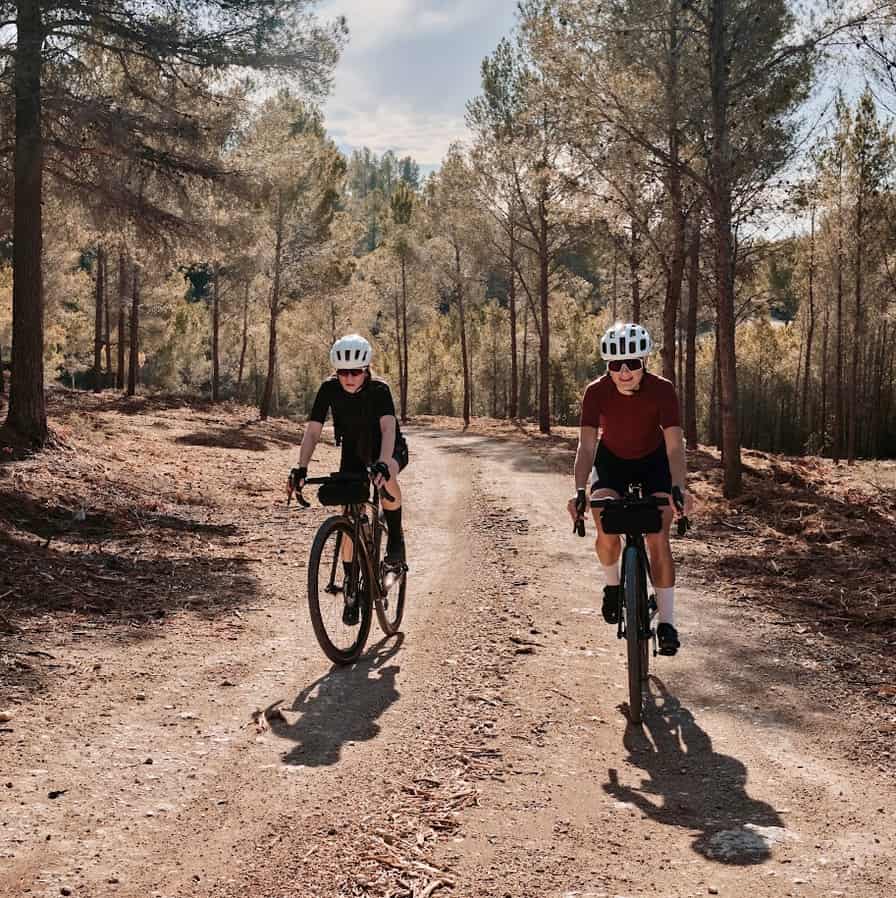
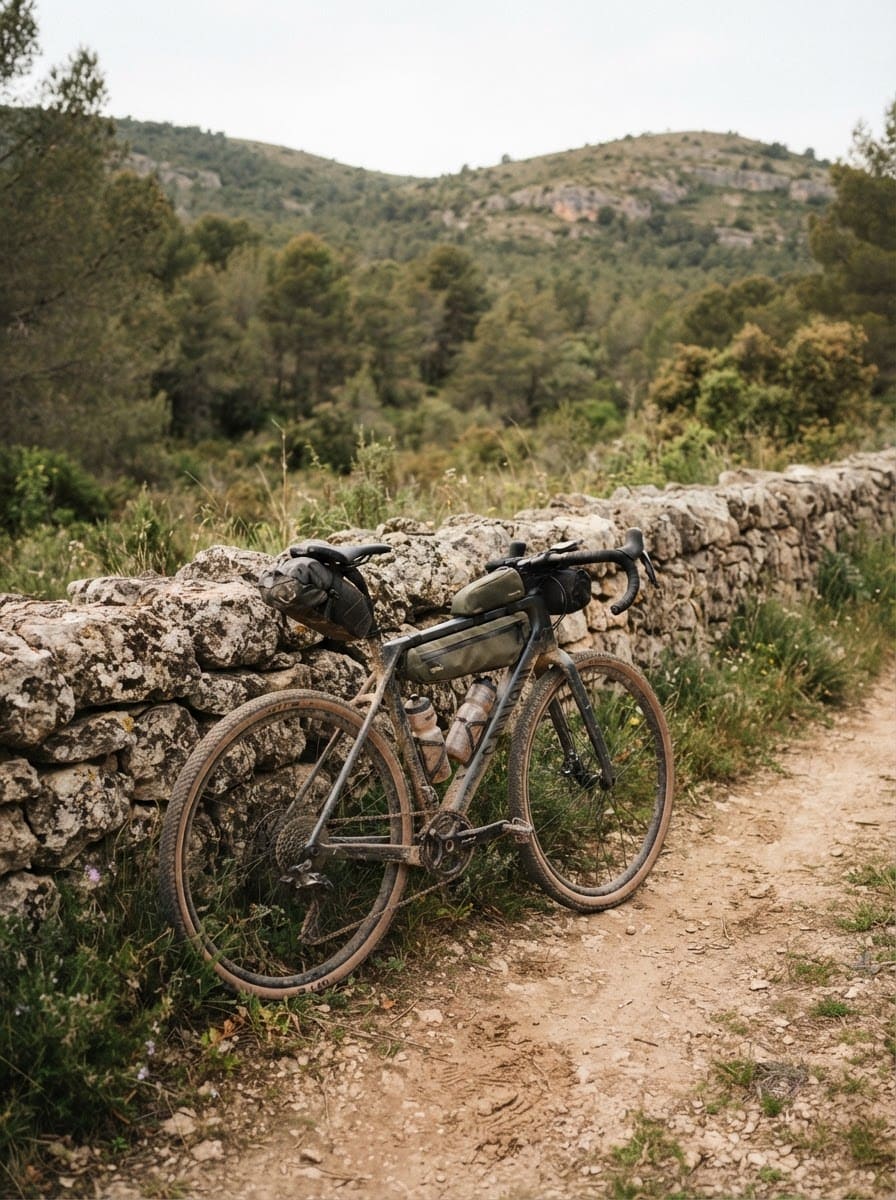
Gravel cycling in Spain reaches its purest expression across Castilla-La Mancha, an inland plateau of limestone tracks, empty canyon forestry roads and medieval market towns beginning ninety minutes east of Madrid. Riders find dry, fast-rolling surfaces for eight months a year, generous climbing in the Iberian mountains and complete solitude far from coastal traffic.
Why inland Spain outshines crowded coastal regions
Coastal Spain draws the bulk of visiting cyclists to Girona, Calpe and Mallorca, leaving the interior remarkably quiet. Across Guadalajara, Cuenca, Toledo, Ciudad Real and Albacete, centuries-old drovers' roads (cañadas reales), forestry fire tracks and agricultural lanes form a continuous off-tarmac network where hours pass without seeing a single car. Population density across Alto Tajo and the Serranía de Cuenca ranks among the lowest in Western Europe. Villages sit separated by pine massifs, juniper ridges and turquoise rivers rather than suburban sprawl. Altitudes between 700 and 1,500 metres deliver crisp mornings, dry air and dependable visibility through spring and autumn without coastal humidity.
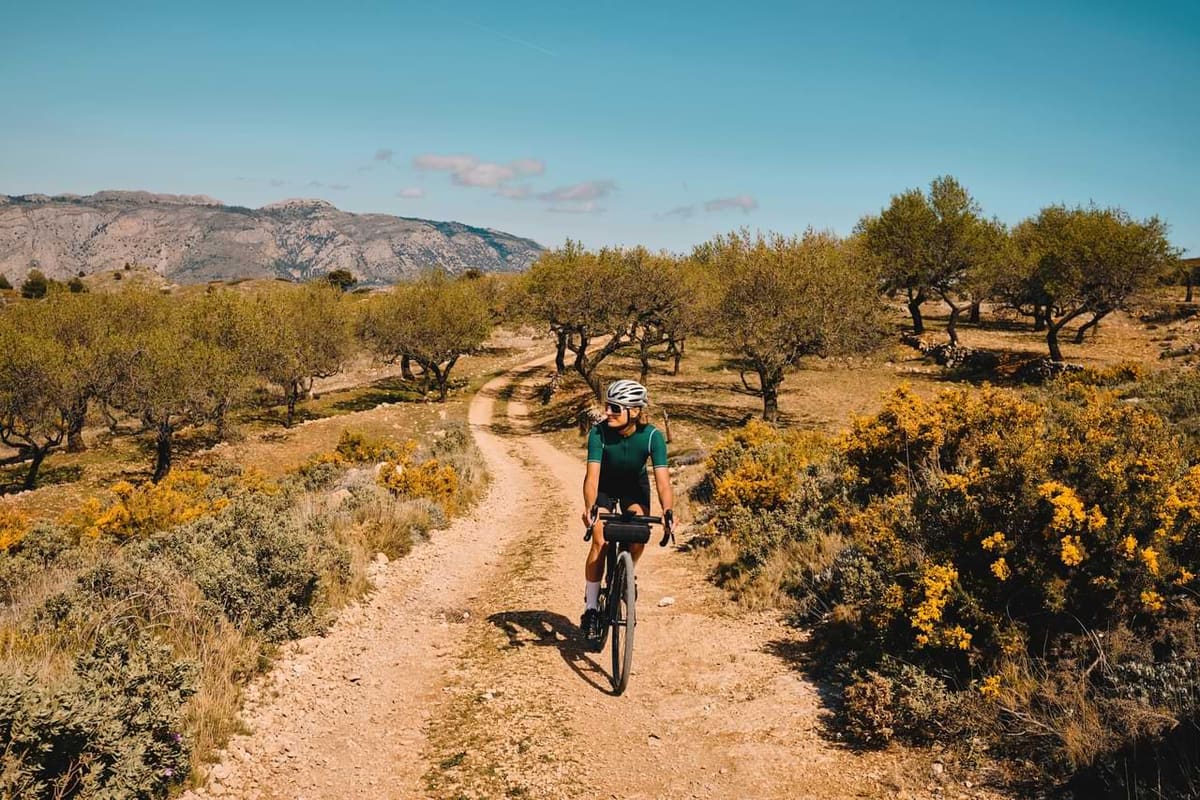
Three distinct gravel landscapes in Castilla-La Mancha
Castilla-La Mancha shifts quickly from scented moorland to deep karst canyons.
La Alcarria: lavender plateaux and chalk ridges
Rolling hills above the Henares and Tajo valleys make La Alcarria an ideal introduction to Iberian gravel. The Alcarria Tour traces a 174 km weekend loop from Brihuega with +2,500 m of elevation gain, linking lavender fields, the medieval springs of Cifuentes, the spa town of Trillo and the shoreline of the Entrepeñas reservoir, known locally as the Mar de Castilla. Explore the literary character of the district in our guide to La Alcarria in Spain.
Alto Tajo: river canyons and UNESCO Geopark tracks
East of La Alcarria, the young Tagus river slices 200-metre limestone gorges through pine forests inside a 105,721-hectare Natural Park and UNESCO Global Geopark. Hard-packed riverside tracks follow the old routes of the gancheros, the timber drivers who once floated pine trunks downstream toward Toledo. Our private Alto Tajo journey covers 220 km and +3,780 m over 4 days and 3 nights from Trillo under certified Starlight skies.
Serranía de Cuenca and La Mancha: karst forests to ochre plains
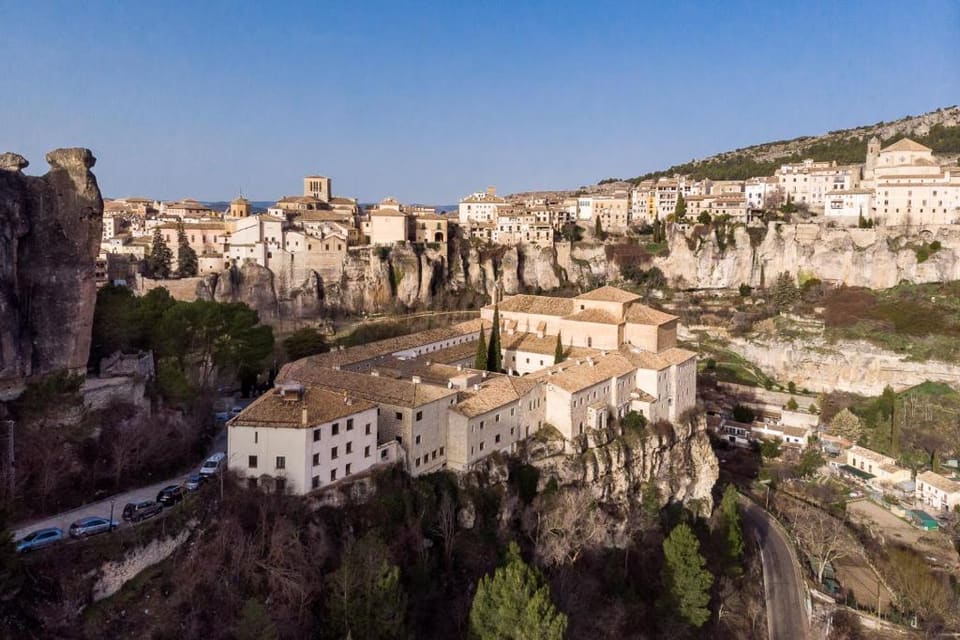
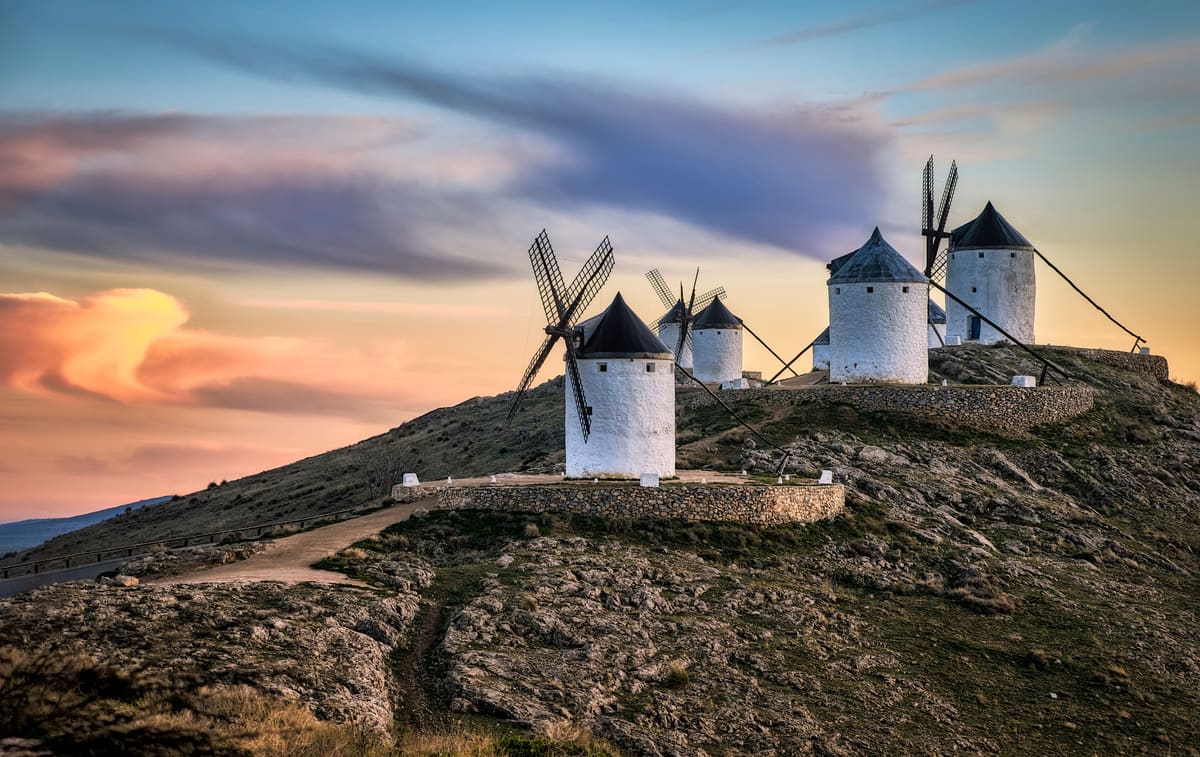
Further south, the Serranía de Cuenca to Molina de Aragón itinerary links 198 km and +5,290 m across 5 days and 4 nights, moving from the UNESCO clifftops of Cuenca past the Ventano del Diablo, Ciudad Encantada and the source of the Río Cuervo. For riders who prefer sweeping horizons and literary history over steep climbing, In the Footsteps of Don Quixote spans 365 km with +2,120 m across 6 scheduled stages from Toledo to Almagro via Consuegra, Argamasilla de Alba and the Lagunas de Ruidera.
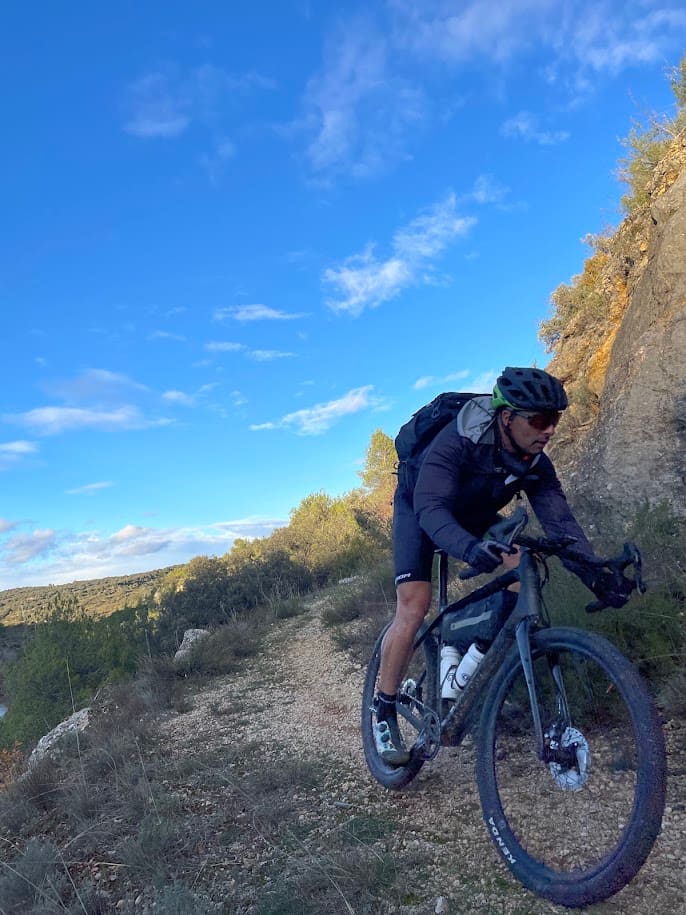
Comparing Cadencia's signature gravel itineraries
Every Cadencia itinerary is scouted on the ground by our team so daily distances reflect true surface speed. The table below compares five flagship gravel options across Castilla-La Mancha.
| Journey | Format & Direction | Distance | Elevation Gain | Ideal Rider Profile |
|---|---|---|---|---|
| Alcarria Tour | Private loop · Brihuega to Brihuega | 174 km | +2,500 m | Weekend escape, rolling mixed gravel and quiet lanes |
| Alto Tajo | Private loop · Trillo to Trillo (4 days / 3 nights) | 220 km | +3,780 m | Canyon lovers seeking remote pine tracks and starry nights |
| Serranía de Cuenca to Molina de Aragón | Private linear · Cuenca to Molina de Aragón (5 days / 4 nights) | 198 km | +5,290 m | Climbers pairing karst scenery with Paradores and fine dining |
| From Sigüenza to Cuenca | Scheduled linear · Sigüenza to Cuenca | 320 km | +6,360 m | Strong tourers wanting a full north-to-south traverse |
| In the Footsteps of Don Quixote | Scheduled linear · Toledo to Almagro (6 stages) | 365 km | +2,120 m | Cultural cyclists seeking gentler gradients and heritage towns |
All five routes can be ridden on gravel bikes, parallel road setups or assisted e-bikes for mixed-ability couples and groups. Browse the complete collection on our curated cycling journeys page.
Surface profiles, tyres and gearing for Iberian tracks
Spanish inland tracks reward thoughtful bike setup because surfaces alternate between compacted earth, loose white limestone and stony riverbeds.
- Tyre width and casing: Fit 40 mm to 45 mm tubeless tyres with reinforced sidewalls. Sharp broken limestone in Alto Tajo and the Serranía de Cuenca punishes thin race casings, while extra volume lets you drop pressures for comfort.
- Tread pattern: Choose a fast centre strip with supportive shoulder knobs. Dry ochre clay in La Mancha rolls swiftly on semi-slick treads, whereas shaded pine descents above Peralejos de las Truchas reward confident cornering bite.
- Gearing: Pair a 1:1 or sub-1:1 easiest gear, such as a 40T chainring with a 10-44T or 10-50T cassette, or a 46/30T double with an 11-36T rear block. Steep limestone ramps in Cuenca exceed 12 percent on loose surfaces.
- Hydration and spares: Carry two 750 ml bottles on every stage, plus tubeless plugs, a quick-link and a mini-pump.
If you are still weighing drop-bar dirt bikes against pure endurance tarmac machines, read our comparison of gravel bike vs road bike for touring, and check our seasonal cycling tour packing list before zipping your travel bag.
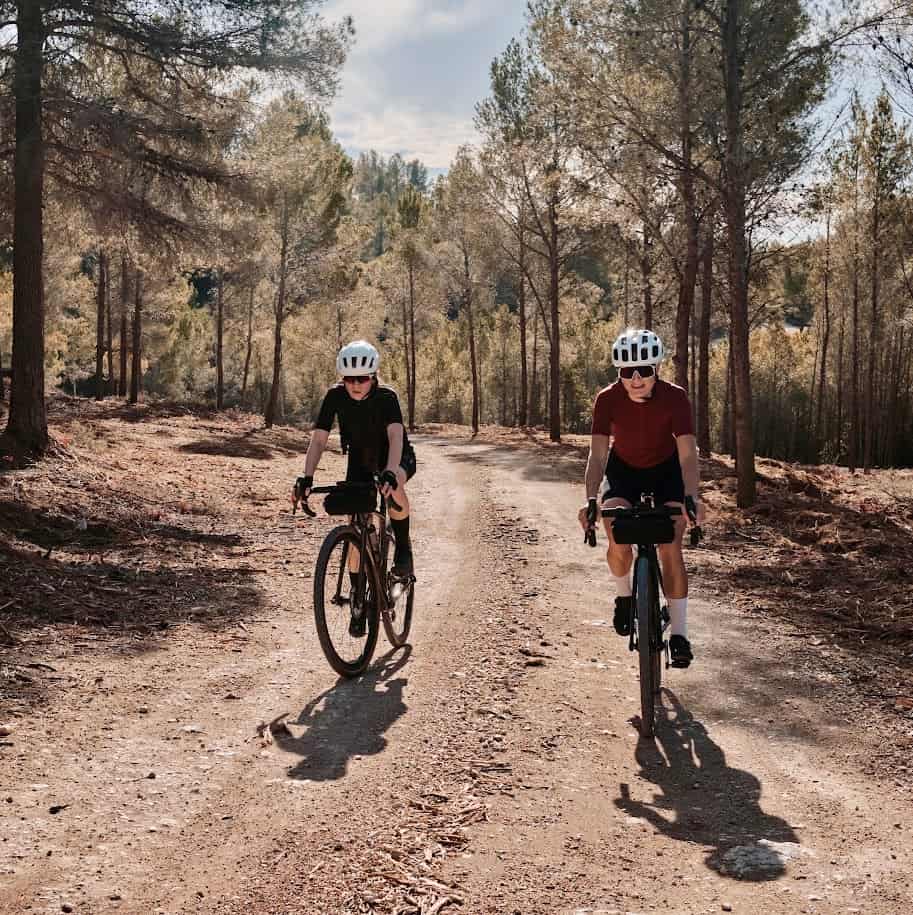
Best seasons, daylight and weather windows
Timing transforms the colours and temperature of gravel riding across central Spain.
- April to mid-June: Wildflowers carpet La Alcarria, rivers run full at the source of the Río Cuervo and daytime highs settle between 18 and 25 degrees Celsius.
- Late June and July in Brihuega: Lavender blooms turn the plateaux of La Alcarria deep violet. Early morning starts keep temperatures pleasant before midday warmth arrives.
- September to early November: Golden poplars line the gorges of Alto Tajo, vineyard harvests animate La Mancha and settled dry weather delivers crisp afternoons.
- Winter caution: High elevations above 1,100 metres in Cuenca and Molina de Aragón bring frosty mornings between December and February, so southern loops around Ciudad Real work better in colder months.
Logistics, support and riding with Cadencia
Remote gravel landscapes feel magical precisely because infrastructure stays sparse, yet water stops sit far apart and mobile signal drops inside limestone gorges. Cadencia Travel Experience removes those friction points without domesticating the landscape. Luggage moves seamlessly between handpicked stays such as the Parador de Cuenca and the newly opened Parador de Molina de Aragón, while support vehicles stay close with spares, cold water and regional provisions. Evenings honour the territory, from slow-cooked Castilian stews to Michelin-starred cuisine by Jesús Segura at Casas Colgadas in Cuenca. Reach out through our contact page to design a private departure or reserve a scheduled date.
Frequently asked questions
Do I need technical mountain-bike skills for gravel cycling in Castilla-La Mancha?
Technical singletrack skills are not required on Cadencia gravel routes. Stages follow wide forestry roads, compacted limestone tracks and quiet country lanes suited to confident gravel riders, with short rocky pitches easily managed at steady speed.
What tyre size works best for gravel riding in La Alcarria and Alto Tajo?
Tubeless tyres between 40 mm and 45 mm with durable sidewall protection perform best across both regions. That width absorbs rough limestone sections inside Alto Tajo while staying brisk on connecting tarmac and compacted tracks in La Alcarria.
Can couples with different fitness levels ride these gravel routes together?
Mixed-ability pairs ride comfortably together by combining standard gravel bikes with high-range gravel e-bikes. Support vehicle assistance and adaptable daily pacing allow both riders to share every canyon viewpoint and village coffee stop.
How close are Castilla-La Mancha's gravel regions to Madrid Airport?
Brihuega in La Alcarria sits roughly one hour by road from Madrid-Barajas Airport, while Cuenca and Toledo connect quickly by high-speed rail from central Madrid. Short transfers let international cyclists start riding without losing a full travel day.