Comparisons
Guided Cycling Holidays in Spain: Guided vs Self-Guided
Compare guided cycling holidays in Spain against self-guided trips: van support, mechanics, local dining and curated stages in Castilla-La Mancha.
Cadencia team · · 6 min read
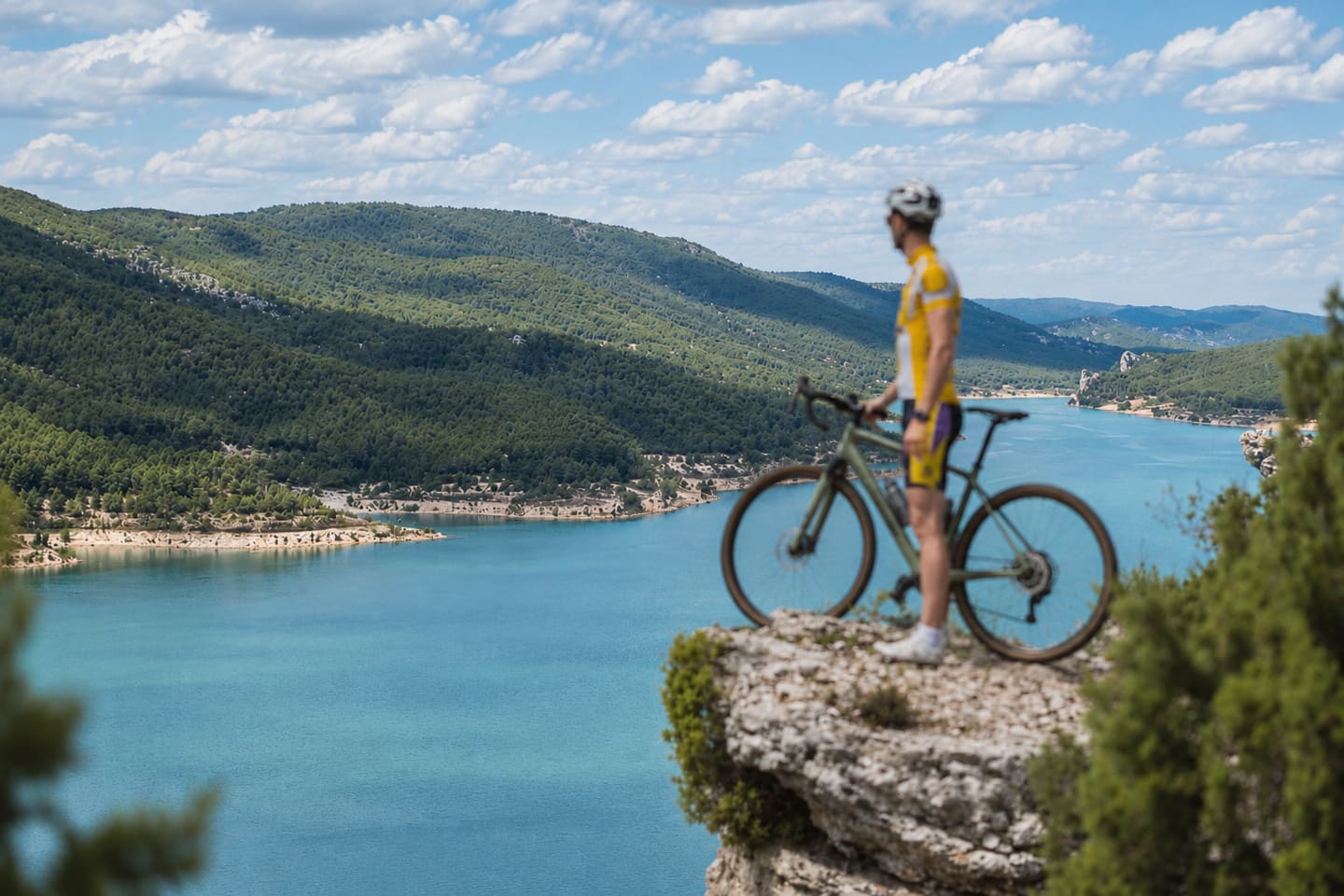
Guided cycling holidays in Spain free you from route troubleshooting, heavy panniers and rural logistics so every kilometre feels effortless. Compared with self-guided tours, a guided journey with a support van, live mechanical help and local hosts unlocks quieter roads, sharper cultural context and calmer evenings across remote territories like Castilla-La Mancha.
What actually happens on a guided cycling holiday in Spain
Travellers sometimes imagine a guided tour as a rigid peloton marching behind a whistle. In practice, a small-group or private guided journey with Cadencia Travel Experience works more like travelling with a deeply connected local friend who happens to bring a mechanic and a support vehicle. Mornings start without suitcase stress. Bags move ahead to the next hotel while the team checks tyre pressures, charges e-bike batteries and briefs the group on the day's climbs, coffee towns and wind direction.
Out on the road or gravel track, cyclists ride at their own natural cadence. Nobody forces you to hold a wheel, and nobody is left navigating alone if a junction looks ambiguous or a remote village bar is closed on a Tuesday. Live support transforms the rhythm of rural Spain. Cold water, fresh fruit, spare tubes, extra layers for a chilly descent and immediate mechanical care remain minutes away throughout every stage.
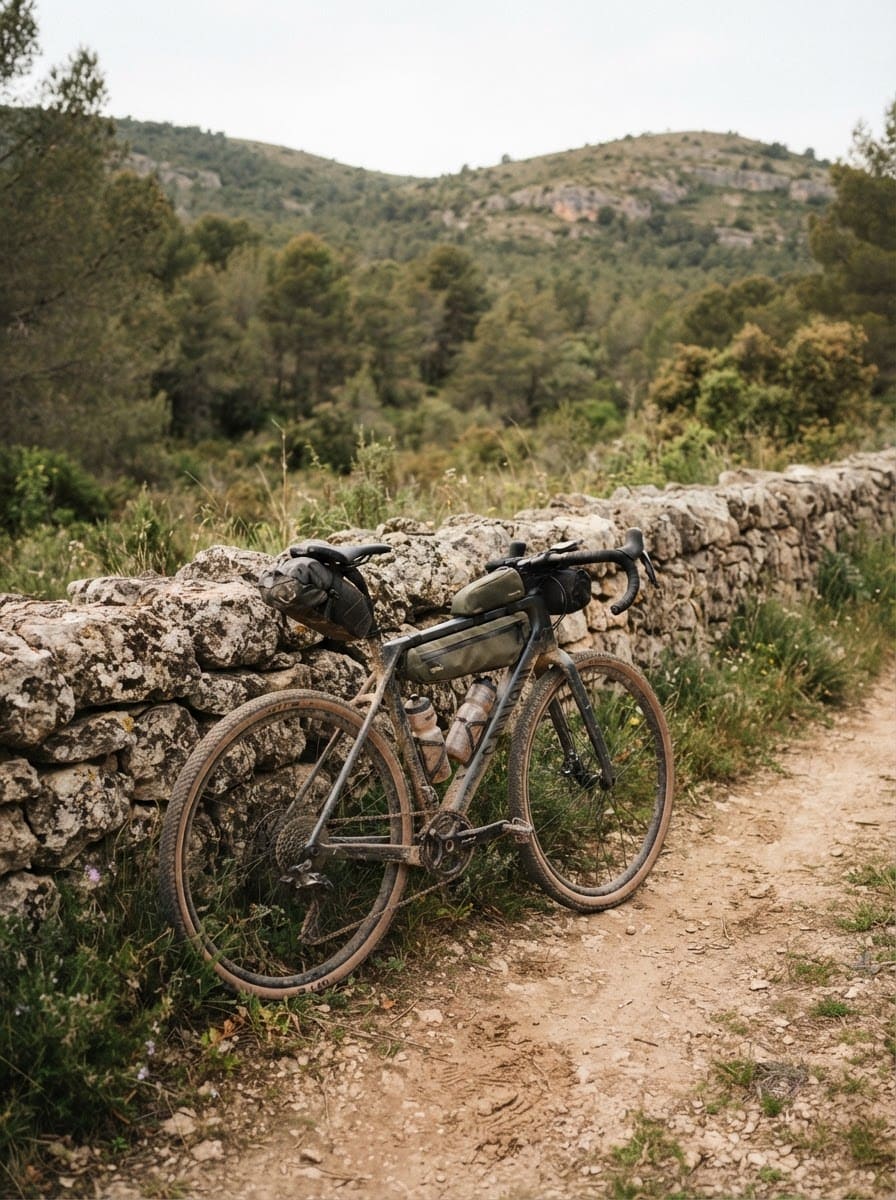
Guided vs self-guided cycling tours: side-by-side comparison
Both formats have genuine merit depending on how much independence you want and how remote the region is. Coastal greenways with frequent trains suit self-guided travel well, whereas sparsely populated mountain provinces reward active local backup.
| Factor | Guided Small Group | Private Guided | Self-Guided |
|---|---|---|---|
| Luggage transfer | Included daily | Included daily | Usually included via courier |
| On-route support van | Follows nearby all day | Dedicated to your group | None (emergency phone only) |
| Mechanical assistance | Immediate roadside fix | Immediate roadside fix | DIY until next town |
| Navigation & pacing | GPX plus local guide adjusting live | Fully tailored to your group's pace | GPX only, fixed schedule |
| Rural food & stops | Pre-arranged in tiny villages | Handpicked to your tastes | Self-managed, subject to local hours |
| Cultural context | Local stories, history and introductions | Deep bespoke local access | Guidebook notes only |
| Best fit | Solo riders, couples, sociable small groups | Friends, clubs, couples wanting own dates | Experienced self-reliant navigators |
Mechanical incidents illustrate the practical gap best. On a remote canyon road in Alto Tajo or Serranía de Cuenca, the nearest bike shop can sit sixty kilometres away; with a support van behind you, a bent derailleur hanger or slashed sidewall becomes a relaxed espresso break rather than a lost afternoon. Weather and energy levels shift during any multi-day trip. Guided support lets a tired rider hop into the van for the final fifteen kilometres into town, or add an optional bonus climb without disrupting the evening schedule.
Why Sigüenza to Cuenca shows the value of local curation
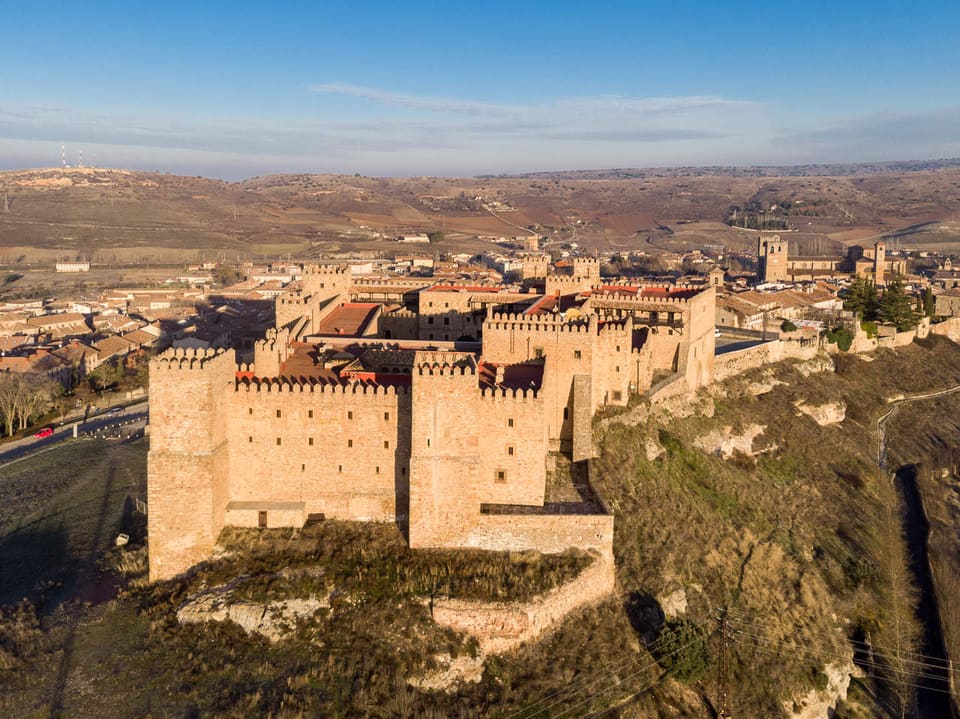
Few itineraries demonstrate the difference between a generic GPX track and local design better than From Sigüenza to Cuenca via the Mar de Castilla. Covering 320 kilometres and +6,360 metres of elevation, this scheduled linear journey links medieval Sigüenza, the rolling plateaus of La Alcarria, the turquoise reservoirs of the Mar de Castilla and UNESCO-listed Cuenca. Rural villages along that corridor keep traditional Spanish opening hours, and some of the finest limestone tracks and cliff viewpoints sit unmarked off minor provincial lanes. Our team scouted every turn of these backroads on the ground.
With Cadencia, riders focus on the sweeping descents towards the reservoirs and the dramatic arrival into Cuenca rather than checking phone battery levels in low-signal valleys. Travellers comparing multi-day options across Spain can also explore our roundup of the best cycling tours in Spain or browse the full Cadencia journeys catalogue.
Scheduled departures or private groups: choosing your format
Cadencia runs two clear guided pathways, allowing you to match the social dynamic to how you like to travel.
- Scheduled small-group departures: Offered on flagship linear traverses including From Sigüenza to Cuenca via the Mar de Castilla and In the Footsteps of Don Quixote. Small groups keep conversation warm over dinner while preserving plenty of breathing room on climbs.
- Private departures: Available across seven curated territories, from the four-day Alto Tajo loop (220 km, +3,780 m) to the five-day Serranía de Cuenca to Molina de Aragón crossing (198 km, +5,290 m). Private trips let couples, families or riding friends set exact dates and blend road, gravel and e-bike riders seamlessly.
Groups with mixed fitness often worry about holding others back on guided trips. E-bikes solve that tension cleanly on big days, as detailed in our guide to e-bike tours in Spain, while the support van acts as a discreet safety net whenever legs ask for an easier afternoon.
Culture and dining you rarely find from a GPX file
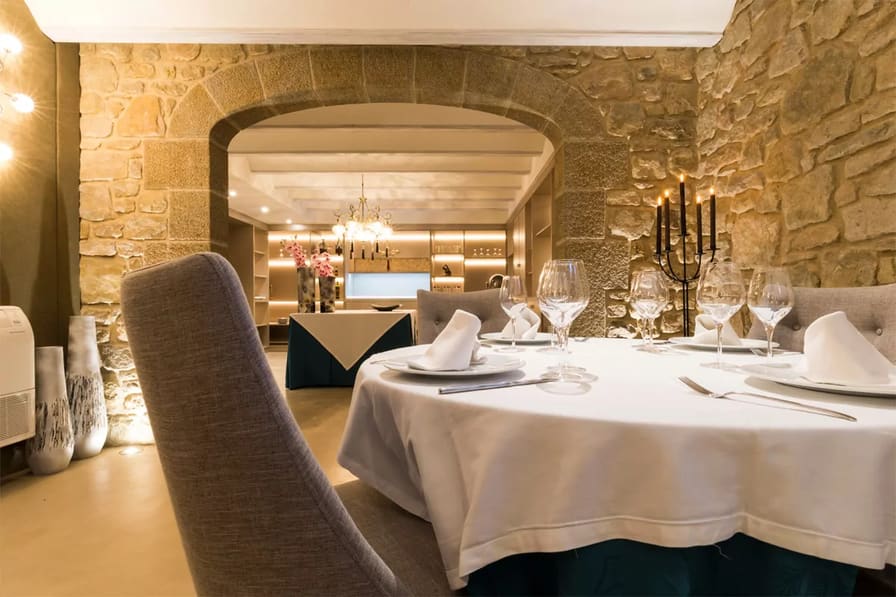
Self-guided cyclists frequently finish a five-hour stage only to spend another hour hunting for bike storage, laundry and a restaurant open before nine o'clock. Curated guided travel removes that friction completely. Across Cadencia's Castilla-La Mancha routes, stays are chosen for authentic sense of place rather than generic chain convenience. Highlights include the Parador de Cuenca poised above the Huécar gorge, two unpacking-free nights at the Parador de Molina de Aragón (opened in 2025) on Alto Tajo by Road, and thermal rest at Real Balneario Carlos III de Trillo.
Evening dining turns local geography into flavour. On Cuenca itineraries, guests gather at Casas Colgadas, where chef Jesús Segura holds a Michelin star inside the cliffside landmark overlooking the canyon. Regional wines, aged Manchego cheeses and traditional stews arrive with stories you simply cannot download onto a handlebar computer.
Planning your wider trip across the peninsula? Our cycling holidays in Spain guide covers seasons, transfers from Madrid and packing essentials. Ready to discuss dates or a private dossier? Reach the Cadencia team directly via the Cadencia contact form.
Frequently asked questions
Do guided cycling holidays force everyone to ride at the same speed?
Small-group and private guided tours with Cadencia allow every rider to climb and descend at a comfortable personal pace. Clear stage briefings, GPX files on handlebars and a mobile support van ensure faster climbers can stretch their legs while steady riders enjoy viewpoints without pressure.
What happens if my legs feel tired mid-stage on a guided trip?
Jumping into the support van for part of a stage is always welcome and completely discreet. Guests can skip a steep climb, shelter from a sudden rain shower or rest before the final kilometres into town while their bike rides safely on the rack.
Can I ride a road bike, gravel bike or e-bike on a guided Spain tour?
Almost every Cadencia itinerary accommodates road bikes, gravel bikes and e-bikes within the same departure. Shared coffee stops, lunches and hotel arrivals keep everyone together even when riders choose slightly different bike setups.
Why is guided support especially valuable in Castilla-La Mancha?
Castilla-La Mancha's biggest gift to cyclists is its emptiness: vast natural parks, tiny stone villages and traffic-free roads. That same remoteness means bike shops and mid-afternoon cafés are scarce, making local route knowledge, mobile mechanics and pre-arranged hospitality genuinely transformative.